

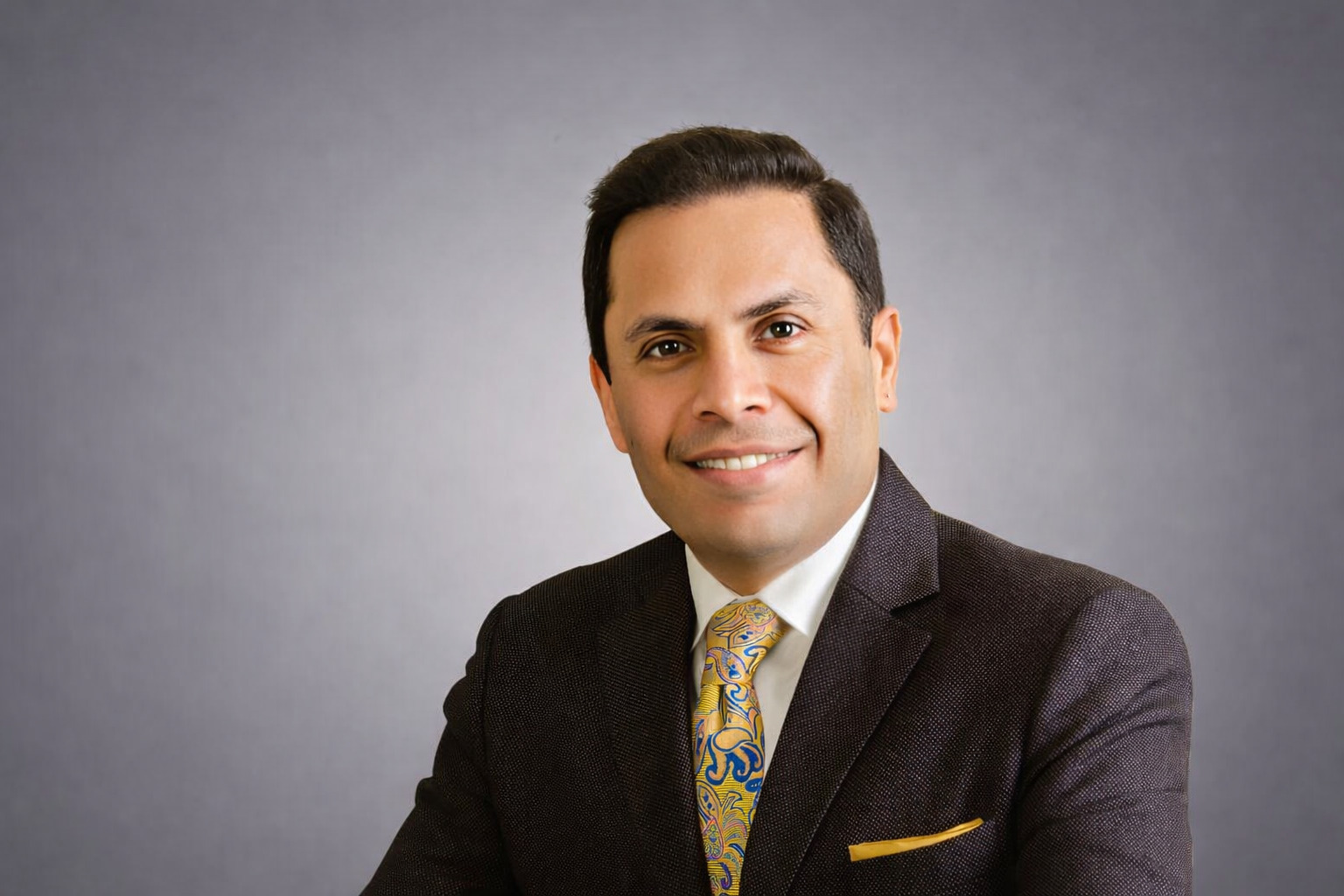
New Delhi‑headquartered integrated logistics provider Skyways Group is preparing for its Initial Public Offering (IPO) in 2026, one of five homegrown logistics players looking to tap the capital markets this year. Founded in 1983, the company reported a turnover of ₹22.71 billion in FY2024‑25. Even as the current turmoil in West Asia may lead the company to rework its listing timeline, following stock market regulator SEBI’s approval of its Draft Red Herring Prospectus (DRHP), Yashpal Sharma, Chairman & Managing Director, remains confident of sustaining profitability while expanding operations. In this interaction with INFRASTRUCTURE TODAY’s Manish Pant, Sharma says the combined growth across e‑commerce, manufacturing, and domestic trade will boost India’s logistics sector. Edited excerpts.
Skyways Group has a legacy spanning four decades. Why have you chosen to pursue a listing at this stage?
For most of our journey, we relied on debt to fund growth. But every stage of a company’s life demands a new growth strategy. We believe the time is now right to go the equity way. This ensures we don’t become too heavy on interest costs, which are significant in a business with large working capital requirements. Growth always needs capital, either from accruals or external sources. We now want to multiply our growth, and equity offers the right path forward. Skyways is a truly integrated logistics player with a diverse portfolio. Each segment—air, ocean, express—is demanding rapid expansion. The opportunities are immense, but they require time and sizeable investment. Rather than relying on debt, we decided to raise equity through the IPO route. We considered private equity, but ultimately chose the stock market as the most suitable option.
Freight forwarding is often perceived as a low‑margin business. How do you plan to convince investors of the company’s value?
Our business is asset‑light, which means low capex and faster capital rotation. When you compare our performance with industry peers of similar size, our PBT and PAT levels are significantly stronger. We have always been profitable; in 40 years, we have never reported a loss. Our customers, employees, and partners have stayed with us because we have consistently delivered value. Today, Skyways is India’s largest air cargo company. We have embraced technology to strengthen customer acquisition and operational efficiency. Investors are discerning; they look for organisations that can deliver sustained growth over time. While short‑term fluctuations are part of business, our track record shows resilience across cycles. Logistics, in fact, often senses market trends earlier than other industries because we handle raw materials, storage, and finished goods movement. This gives us foresight to adjust strategies quickly and stay ahead of the curve.
With SEBI having now approved your DRHP, how might the current turmoil in West Asia influence the timing of your IPO?
We are working closely with our merchant bankers and monitoring the situation carefully. Timing the IPO is critical, and we will ensure it happens when conditions are conducive. Although the crisis began soon after we filed the DRHP, we remain confident of launching at the right time. Our priority is to create value for both current and future investors, and we will keep the process dynamic to achieve that.
How do you see the current geopolitical situation affecting the Indian logistics industry?
From an India-West Asia perspective, the region remains a critical trading partner, particularly for energy. India has invested significantly in strengthening ties, including FTAs (free trade agreements), and over the past 15 years trade volumes between the two regions have grown substantially. Any geopolitical disruption in West Asia inevitably impacts overall trade. That said, businesses worldwide are increasingly adopting diversification strategies. Although volatility will persist in the near term, we expect trade routes to stabilise and become more operational in the coming weeks.
You are entering the market at a time when initiatives such as Make in India, Aatmanirbhar Bharat, and the PLI (Production Linked Incentive) schemes are in the backdrop. Have you consciously aligned your strategy with India’s growth story?
Very much so. India is at the cusp of massive growth, driven not only by manufacturing and PLI schemes but also by the e‑commerce boom. The recent Union Budget removed the ₹1 million cap on courier shipments, which is a significant enabler. Today, even small businesses in places like Agra can sell globally; a shoemaker can reach customers in Lima, Peru, for example. Smartphones and social commerce platforms such as Instagram are empowering MSMEs to access international markets directly. Skyways is deeply engaged in this transformation. My daughter, who has an e‑commerce background, has joined the business and is helping us build logistics solutions tailored for online sellers. Our e‑commerce express subsidiary—sKart Global Express—has seen remarkable growth. Its turnover rose from ₹140 million in 2022 to over ₹800 million in the first half of the current year. This reflects the scale of opportunity in e‑commerce logistics. India’s entrepreneurial hunger, combined with technology enablement, will drive massive growth. At Skyways, we are committed to being part of this journey and ensuring our solutions support the evolving needs of Indian businesses.
Your DRHP mentions a joint venture with Swissport International to bid for the cargo facility at Kolkata Airport. With India’s air traffic expanding rapidly, do you plan to expand into more airports in the future?
This is our first step towards operating a cargo terminal, and we are confident about the opportunities ahead. With the UDAN [regional connectivity] scheme rolled out by the Ministry of Civil Aviation, many new airports are coming up across the country. Most of these will include cargo operations, with some domestic and some international. This opens space for multiple cargo operators. We are closely watching this sector and intend to contribute to India’s economic growth by creating solutions at airports and, in time, possibly at seaports as well. Our deep understanding of customer needs and the challenges faced at existing facilities will guide us in building world‑class infrastructure. We want to ensure that when we set up a facility, it addresses every challenge faced by service providers and shippers. That is why we have partnered with Swissport, one of the best in the world, for an SPV (special purpose vehicle) to bring global standards to India.
Currently, sectors such as pharma and electronics account for a bulk of your revenues. Looking ahead, which new sectors will drive growth in freight forwarding?
New-age products will be increasingly driving India’s growth. The PLI schemes are already fuelling volume growth in consumer electronics, with global players like Samsung and Apple expanding here. Semiconductors and defence have also emerged as major export sectors. Agriculture is another area we expect to become more important over time. Traditional commodities such as ready‑made garments, yarn, and fabrics will continue to grow organically, but it is these new‑age sectors that will provide the leap forward. In air cargo, for example, India handled 3.71 million tonnes last year. Our ambition is to reach 10 million tonnes sooner than the current target, and we believe this push—across e‑commerce, manufacturing, and domestic trade—will fuel not only India’s exports but also the logistics industry as a whole.
– Manish Pant