

GTL, currently owned by ReNew Transmission Ventures and KNI India AS, will be fully acquired by IndiGrid once the transaction closes.
IndiGrid, India’s first and largest publicly listed power‑sector infrastructure investment trust (InvIT), has announced the execution of definitive agreements to acquire Gadag Transmission Ltd (GTL), an inter‑state transmission (ISTS) project in Karnataka, for an enterprise value of ₹3.72 billion, excluding net working capital and cash adjustments.
Additionally, an earn‑out linked to change‑in‑law, availability, and bilateral billing aspects will be payable to the sellers if and when such payments are received.
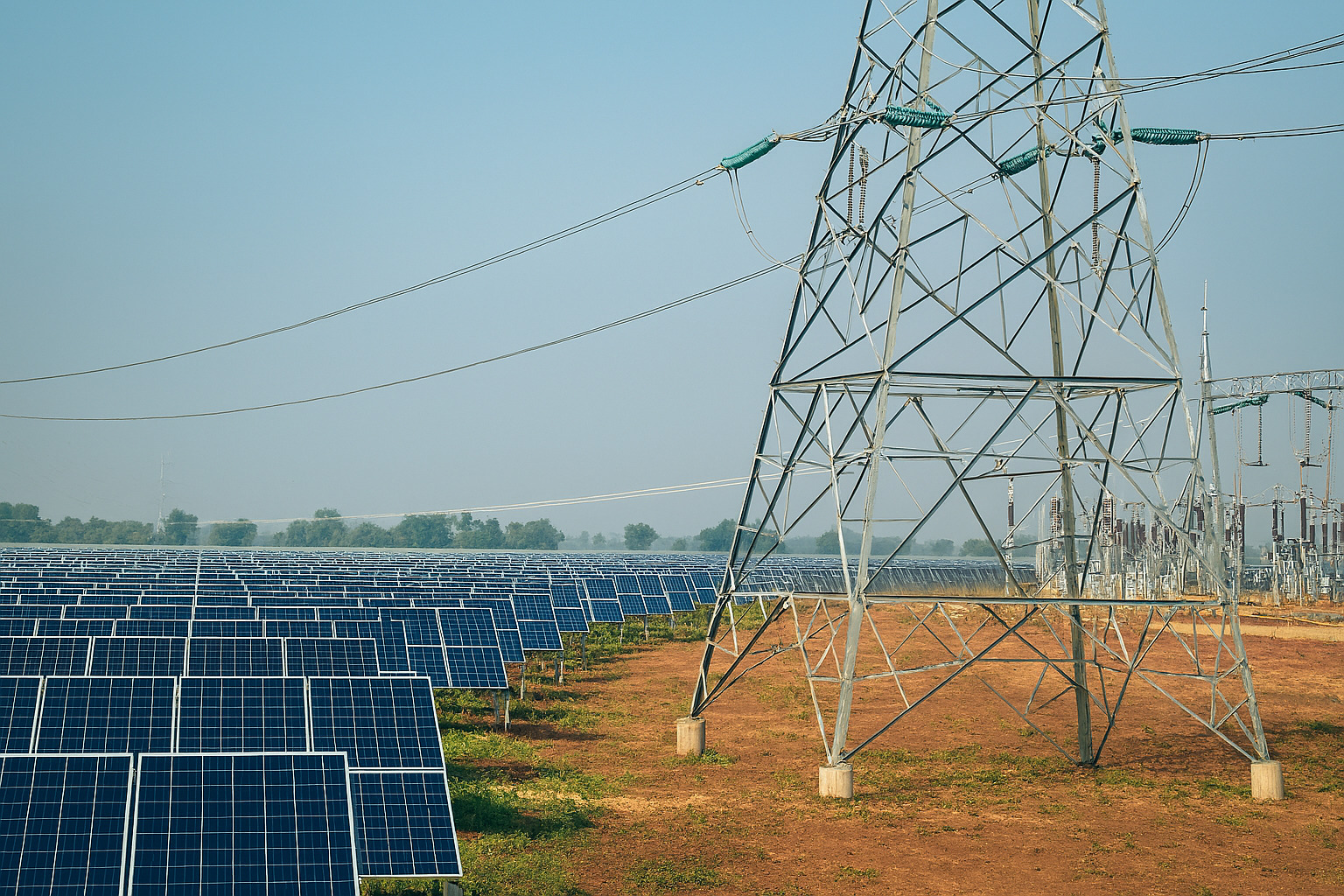
GTL is a build‑own‑operate‑maintain (BOOM) ISTS asset and represents the first phase of a transmission scheme designed to evacuate around 2,500 MW of solar power from the Gadag Solar Energy Zone in Karnataka. Operational since September 2024, the asset comprises approximately 187 circuit km of transmission lines and a 1,000 MVA substation, with scope for future augmentation.
Currently, GTL is jointly owned by ReNew Transmission Ventures Pvt Ltd (RTVPL) (51per cent) and KNI India AS (49 per cent), a joint venture between Norfund and KLP. Upon completion of the transaction, IndiGrid will acquire full shareholding and management control in line with the definitive and concession agreements, including lock‑in obligations.
Commenting on the acquisition, Harsh Shah, Managing Director, IndiGrid, said, “Gadag Transmission plays a pivotal role in evacuating renewable energy from one of the country’s largest solar zones and perfectly complements our strategy to own and operate critical grid assets. This acquisition further strengthens our portfolio in Karnataka and reinforces our commitment to delivering long‑term value to our unitholders while supporting India’s renewable integration journey.”
The acquisition will be funded through a combination of equity, internal accruals, and debt. Post‑transaction, IndiGrid’s net debt/AUM ratio will stand at around 60.5 per cent, leaving adequate headroom for future growth.