

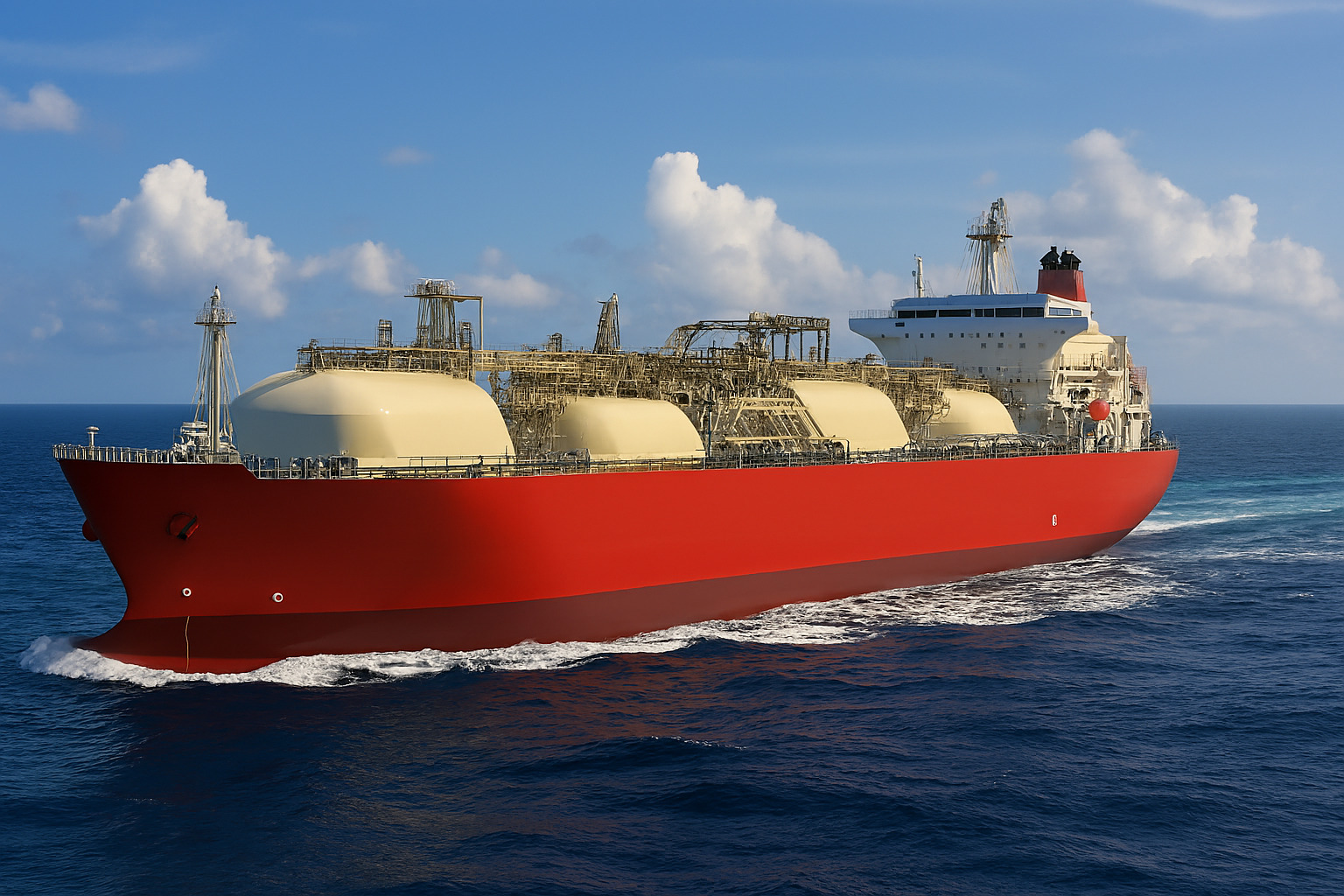
The ONGC-MOL partnership blends global maritime expertise with regional strength to unlock value in energy logistics.
ONGC, India’s largest oil and gas explorer, has announced its entry into ethane shipping through a strategic joint venture with Japan’s Mitsui OSK Lines Ltd (MOL), a global leader in maritime transport.
On Monday, ONGC signed joint venture and capital contribution agreements with MOL to establish Bharat Ethane One IFSC Pvt Ltd and Bharat Ethane Two IFSC Pvt Ltd, both registered in Gift City, Gandhinagar.
Under the agreement, ONGC will subscribe to 200,000 equity shares of ₹100 each in both joint venture companies. Upon completion, ONGC will hold a 50 per cent stake in each entity, with MOL owning the remaining 50 per cent.
Each joint venture company will own and operate one Very Large Ethane Carrier (VLEC). These vessels, operating under the Indian flag, will transport ethane from the US to meet the feedstock requirements of ONGC Petro additions Ltd (OPaL), a key ONGC subsidiary.
This collaboration marks a significant milestone in strengthening long‑term cooperation between ONGC and MOL. By combining MOL’s global maritime expertise with ONGC’s strong regional presence and operational capabilities, the partnership is expected to create substantial value across the energy transportation and value chain.
The venture is closely aligned with Prime Minister Narendra Modi’s Amrit Kaal Vision 2047, which emphasises national self‑reliance, world‑class maritime infrastructure, and long‑term economic resilience. The initiative has been undertaken with the guidance of the Ministry of Petroleum and Natural Gas and the Department of Investment and Public Asset Management (DIPAM), Ministry of Finance.
Developing Strategic Shipping
Union Minister for Petroleum and Natural Gas, Hardeep Singh Puri, has consistently urged shipbuilders and carriers to build strategic assets as India, the world’s third‑largest energy consumer, faces surging demand for oil and gas.
Speaking at a maritime conference in Mumbai last October, Puri noted that only 20 per cent of India’s oil and gas imports are transported on Indian‑flagged or Indian‑owned vessels, highlighting both a challenge and an opportunity. He also cited ONGC’s projected requirement of nearly 100 offshore service and platform vessels by 2034, driven by rising demand for crude oil, LPG, LNG, and ethane.
This initiative marks ONGC’s strategic entry into business diversification and growth. Through the deployment of VLECs for ethane transportation, ONGC aims to capitalise on emerging opportunities in energy logistics, strengthen integration across its value chain, and establish a robust operational presence in specialised shipping.