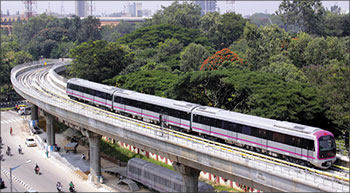
The overall cost of expansion of the operational and approved metro projects under implementation is over Rs 2.5 lakh crore, and another Rs 2 lakh crore worth projects are in various stages of approval and are likely to come up for bidding in the next five years
FlashNews:
India Launches First All‑Electric Tug at Deendayal Port, Accelerates Green Maritime Shift
Bharatmala Pariyojana Executes 61% of Phase‑I Highway Targets, Boosts Freight Speed and Connectivity
Waaree Tops India’s Solar Module Shipments in Q3 2025, Reinforces Global Competitiveness
AISATS Expands Nationwide, Launches Ground Handling at Cochin Airport with Future‑Ready Tech
TIL Bags ₹2 Billion Orders Across Defence and Logistics, Validates Dual-Sector Strategy
Indian Railways to Roll Out OTP‑Based Tatkal Window Tickets Nationwide to Curb Misuse
Sanchar Saathi Row: Scindia Defends App as Voluntary, Transparent and Consumer‑Protective Amid Privacy Debate
REIAs Issue 67.5 GW Renewable Energy LoAs Since April 2023 with Zero Cancellations: Joshi
Rail Freight Rises 4.2% in November as Steel, Iron Ore and Fertiliser Volumes Surge
NHAI Partners Reliance Jio to Launch Telecom‑Based Safety Alerts on National Highways
Delhi Airport Becomes India’s First Water‑Positive Major Aviation Hub
Civil Aviation Minister Confirms GPS Spoofing at Delhi Airport; Cyber Threats Spread to Major Hubs
India’s Power Capacity Crosses 505,000 MW, Clean Energy Transition Accelerates
Air India Express Launches Twice-Daily Nagpur-Bengaluru Flights, Expands Maharashtra Network
India to Expand Refining Capacity to 309.5 MMTPA by 2030, Accelerates Biofuel and Green Hydrogen Push
Air India Expands China Presence with TAM Group Appointment as Passenger GSA
DFCCIL Trial Run Paves Way for JNPA Link to Western Dedicated Freight Corridor
India Secures Top Vote in IMO Council Re‑Election for 2026-27
IndiGo Expands Domestic Connectivity from Navi Mumbai International Airport
Home » EIRR
Tag: EIRR
Post
Rationale behind HSR
An investment in HSR is typically a government decision which is primarily dependent on a number of factors, such as current and projected traffic, expected saving in time, and a reduction in accidents due to a modal shift, reduction in environmental externalities, ease in congestion in existing modes, and the average willingness of the users to pay.