Kandla Port Trust (KPT) has secured the Kandla Container Terminal´s (KCTPL) Rs 110 crore debt lent by Axis Bank and UCO Bank.


Tag: November
Post
Post
Bharat Forge bags crank shaft order from IR
Indian Railways (IR) has always imported its crankshaft, but recently for the first time has placed an order with Bharat Forge. According to the company, Bharat Forge is the only crankshaft manufacturer in India which caters to the industrial sector. Bharat Forge has been already supplying a range of equipment to major rail network in the US and Europe.
Post
Recovery or Illusion?
Industry observers have promptly branded the growth in some of the core sectors in the second quarter as ´encouraging´ and ´first signs of recovery´ for the infrastructure sectors.
Post

Making the right noises
Will the proposed Dispute Resolution Bill enhance or stymie the negotiating power of infrastructure developers? While the Planning Commission has articulated a clear need for a new law that addresses the typical infractions that occur between public
Post

The Bill lacks focus and effective structure
Does the new Bill run the risk of ending up like many other tribunals that were replete with court intervention? Amit Kapur and Vishnu Sudarsan evaluate why the currently drafted Dispute Resolution Bill, which is understood to have reached the PMO
Post
Rescheduling is prejudicial to the exchequer
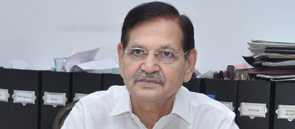
As someone who has withstood the pressure from the infrastructure sector on the question of whether contract renegotiation should be adopted as a norm, Gajendra Haldea, Adviser to the Deputy Chairman of the Planning Commission of India minces no words.
Post

The implementation will take some time
India seems to be prepared to take the step into energy efficient technology for waste water treatment, observes Jan Olsen, Director, Aeration Competence Centre (ACC), Siemens (Denmark), talking to Sumantra Das.
Post

Metered water Towards rational tariff
Fixing water pricing is not just a matter of introducing some user charges here and raising a few taxes there. It is the need of the hour to tackle the concurrent issues, improve the service levels and implement a cost recovery policy.
Post
Recourse in a financial dry-up
In order to execute mega specialised projects, one of the important requirements is new technology equipment. DK Vyas elaborates on the financing issues in the procurement and use of such equipment. The construction industry in India is the second largest industry after agriculture
Post
A catalyst for change
While the industry grapples with challenges like escalating project costs and prolonged construction periods, emerging technologies can redefine the Indian construction industry and take it to the next level globally. Technology is emerging as a catalyst for change, writes Garima P.