Lanco Infratech is setting up a 100 mw solar cell manufacturing plant and plans to lease part of its solar SEZ to foreign and Indian firms which want to participate in India´s renewable energy programme.


Tag: Power
Post

Post
Metro turns to green for power saving
With its electricity bill responsible for nearly 15 per cent of the annual ordinary working expenses, Metro Railway is turning to non-conventional sources of power to bring down costs. After Mumbai, Kolkata is the most expensive, so far as power tariff charged is concerned.
Post
Cabinet approves Rs.8,349-cr investment on rail freight lines
The Union cabinet chaired by Prime Minister Narendra Modi approved an investment of Rs.8,349 crore for laying down multiple freight-specific rail lines in Odisha, Chhattisgarh and Andhra Pradesh.
Post
Adani reps visited Pak to discuss 4000 MW power deal
Representatives of India´s Adani Enterprises visited Pakistan last year to discuss the sale of up to 4,000 MW of electricity but the proposal has stalled against the backdrop of heightened tensions between the two countries. Pakistan´s Power Minister Khawaja Asif told the Senate on October 13 that representatives of Adani Enterprises Ltd (AEL) visited the country in April 2014.
Post
Govt forcing KSEB to sign new agreement
The state government is allegedly mounting pressure on Kerala State Electricity Board Limited (KSEB) to purchase power from a Kochi-based company at exorbitant rates.
Post
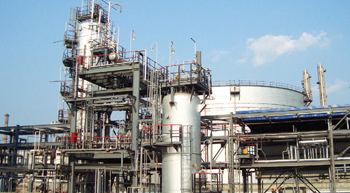
LNG more viable than coal
India is already among the world´s largest energy consumers. Urbanisation, industrialisation, and the government´s commitment to 24 x7 energy access for all imply that our need for power will continue to grow.
Post

Powering the change
The government is finally taking note. While it is too early to say that a solution to the woes of distribution companies (DISCOMs) is just around the corner, the wheels are in motion.
Post
Industrial development along ports to get a push
The shipping ministry is set to launch the National Perspective Plan (NPP) by January next year, aimed at comprehensive and integrated development of coastline.
Post

We expect 2015 to bring about consolidation, as well as restore vitality within the sector
The Indian mobile telephony industry currently has a cumulative debt of over Rs 300,000 crore with many operators even making negative returns on their investments.
Post

Rational expansion of electricity consumption
India´s low per capita electricity consumption, which currently stands at less than 1,000 kWh per annum, has been a subject of debate and consternation. The situation is likely to undergo a change, but it is imperative to set rational goals in this regard.