India’s infrastructure growth: Initiatives, investments, and reforms. The India-Saudi Arab-Europe Economic Corridor proposed during the recent G20 summit to improve connectivity and economic cooperation between India, Saudi Arabia and Europe will be a major shot in the arm for the Indian infrastructure sector, says Santhosh Kumar, Vice Chairman, ANAROCK Group. The Indian government has taken concerted...


Tag: Sagarmala project
Post
Post

Taking a look at India’s maritime sector post pandemic
A path towards sustainability both environment-wise and business-wise
Post
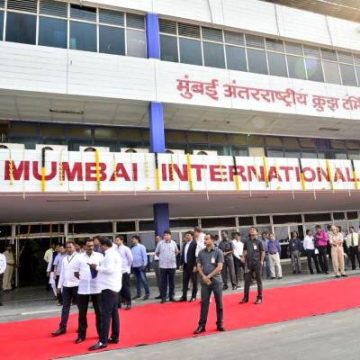
Mumbai International cruise terminal to be commissioned by July 2024
The port to have 200 ships, one million passengers capacity per year
Post

Major Port Authorities Act to Decentralise Decision-Making
The Major Port Authorities Act, 2020, is aimed at decentralising decision-making and infusing professionalism in the governance of 13 major ports. The act seeks to impart faster and transparent decision-making to benefit stakeholders and improve project execution capabilities by reorienting the governance model in central ports to the landlord port model in line with the...
Post
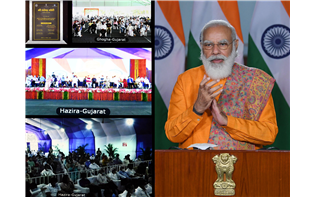
Ministry of Shipping is now Ministry of Ports, Shipping and Waterways
Ministry of Shipping will now be known as the Ministry of Ports, Shipping and Waterways. This was announced by Prime Minister Narendra Modi during the inauguration of the roll-on-roll-off terminal at Hazira on Sunday.
Post

We have awarded Rs.7.50 lakh crore projects in three years
We are planning to raise Rs 2.9 lakh crore from the equity market, Rs 1.06 lakh crore from private investments and Rs 2.19 lakh crore from Central Road Funds (CRF) or toll-operate-transfer (TOT) or toll road (BOT) projects.
Post

Sagarmala can save upto Rs.40,000 cr per year on logistics spends
The Union Budget of 2017-18 has laid a 25 per cent increase in allocations for infrastructure over last year. There has also been a renewed focus on transportation, development of port infrastructure and its automation.
Post

Govt saved Rs 3 lakh crore loans to road sector turning into NPAs: Gadkari
The NDA government has managed to save Rs 3 lakh crore worth bank loans to the road sector turning into NPAs, according to the minister of road transport and highways and shipping Nitin Gadkari.
Post

The Union Budget has a progressive outlook
The Union Budget for fiscal 2018 has a progressive outlook and encourages investments with initiatives like affordable housing being given infrastructure status to avail new funding avenues. The Budget has expanded the scope for the capital and bond markets.
Post

Areef Patel, Vice-Chairman, Patel Integrated Logistics Ltd
The logistics sector generates mass employment and is a key revenue earner for the government. In order to improve the competencies of the logistics sector, the Goods and Services Tax (GST) should be implemented without further delay, which could result in potential savings of around $200 billion and lead to streamlining of the taxation structure and reduce inventory maintenance costs.