The Delhi High Court judgment on Section 20 of the CAG Act may render PPP projects unattractive in infrastructure sectors without a pervasive regulatory authority. In the recent judgment on CAG audit of Delhi distribution companies


Tag: infrastructure
Post

Post

Karnataka Calling
The stage is set. The Karnataka State Government is geared up to host Invest Karnataka 2016, its biggest and grandest global investors meet ever.
Post
India needs Rs.31 lakh cr for infra in five years: Crisil
The funding need for building India´s infrastructure is large, said a White Paper on Infrastructure Financing by Crisil Ratings and industry body Assocham.
Post
Nation´s infra sector gets major Japanese boost
India´s infrastructure - sectors such as roads, metro rail, industrial corridor, shipping and urban development - are set to get a boost with Japan committing
Post
Report of Kelkar committee on PPP model released
The Union Ministry of Finance on 28 December 2015 released the report of the Committee on Revisiting and Revitalising Public Private Partnership (PPP) Model.
Post
Rs.80,000 cr for infra works in MP
Union Minister Nitin Gadkari announced a package of Rs.80,000 crore for Madhya Pradesh for various infrastructure
Post

Extensive Experience
ABB India Ltd has appointed Sanjeev Sharma as Managing Director with effect from January 1, 2016, to continue the path of next level of growth across utilities, industries and infrastructure in the country.
Post
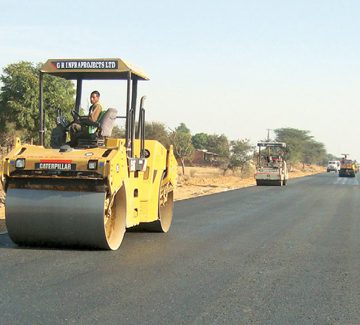
Hit by the HAMmer
The Hybrid Annuity Model (HAM) unveiled with great fanfare earlier this year was expected to set off the next wave of award of PPP highway projects. The intent and purpose of introducing HAM, as a hybrid of EPC and BOT (annuity) formats, was noble and deserves to be lauded: to moderate risks faced by highway developers and to provide financial support during construction.
Post

High-speed trains: Need of the hour
Their names were Sahib, Sindh and Sultan - three steam locomotives that in 1853 would earn their place in India´s rail history by hauling the nation´s first passenger train.
Post

Hi-tech in infra
India has only recently begun to focus on the growth of its infrastructure. There is still a long way to go in adopting the latest and best technologies for their design, construction and management.