

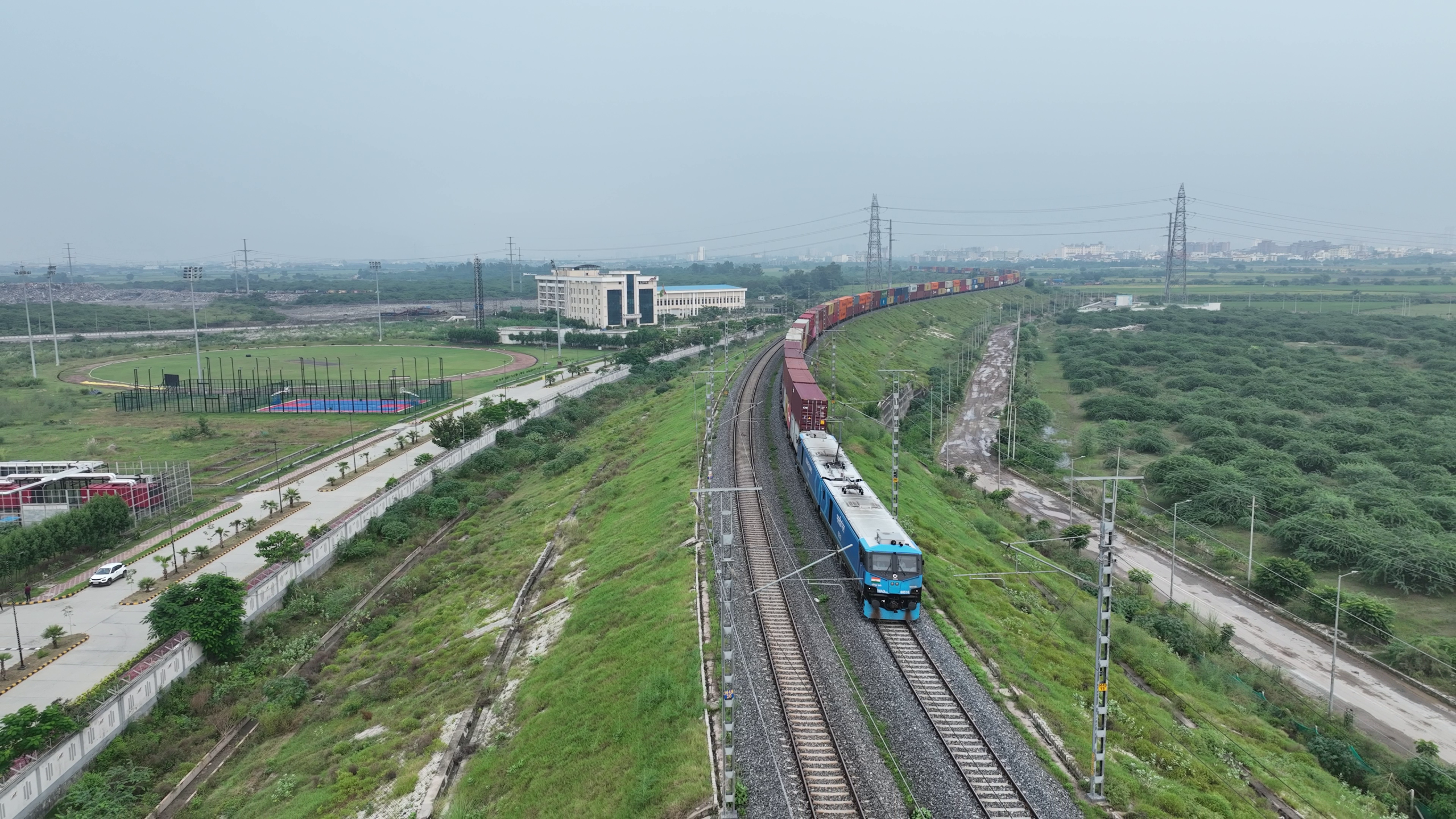
ITLA will serve as the apex institution for integrated planning, research, appraisal, monitoring, policy support and data analytics.
In a landmark move for India’s fast‑expanding infrastructure sector, the Union Cabinet chaired by Prime Minister Narendra Modi on Tuesday approved the creation of an Integrated Transport & Logistics Authority (ITLA) to strengthen research, planning, appraisal, monitoring and impact assessment in transport and logistics, supported by consolidated datasets.
The special purpose vehicle (SPV) is designed to resolve long‑standing challenges from fragmented planning across multiple ministries and agencies. By fostering greater coordination between the Centre, states and transport modes, ITLA is expected to enhance efficiency, sustainability and effectiveness in infrastructure development.
Union Minister for Information & Broadcasting Ashwini Vaishnaw told the media at a briefing in New Delhi, “This authority will function under DPIIT (Department for Promotion of Industry and Internal Trade) in the Ministry of Commerce & Industry. Care will be taken to ensure that all major infrastructure ministries and sectors work together to plan transport and logistics comprehensively and synergistically.”
ITLA will serve as the apex body for integrated planning, research, project appraisal, monitoring, policy support and data analytics. It will prepare a National Transport Master Plan with a horizon of ten years or more, covering roads, railways, ports, shipping, civil aviation, inland waterways, coastal shipping, urban mobility and logistics. Short‑term five‑year plans and annual plans of transport ministries will be evaluated for alignment with the master plan.
The authority will undertake technical appraisal of Central Government projects costing ₹5 billion or more. Vaishnaw noted, “Technical appraisal will be further simplified through this integrated body, as future requirements will already be part of its research. The authority is mandated to approve projects based on today’s future needs and will prepare prospective masterplans.”
Financial appraisal will continue through existing mechanisms, while ITLA will monitor and implement projects above ₹5 billion and conduct post‑implementation impact assessments.
Unified Data Planning
ITLA will build a unified transport data repository by consolidating datasets from GSTN e‑way bills, FASTag, Vahan, GPS‑based systems and urban traffic management platforms. Vaishnaw added, “We will consolidate extensive datasets to enable integrated, data‑driven planning. The agency will also assess the impact of projects such as highway construction, railway line doubling and port infrastructure development.”
The authority will also advise on updating the National Logistics Policy (2022), focusing on capacity building, training, skilling, research and innovation.
Reacting to the announcement, stakeholders said the authority had its work cut out for it.
Kushal Kumar Singh, Partner at the advisory Deloitte, said, “With India working towards reducing logistics costs as a share of GDP, the focus now must be on translating integrated planning into coordinated execution across transport modes. The authority’s ability to align projects, monitor implementation and improve investment efficiency will be critical to reducing logistics costs and strengthening the competitiveness of India’s transport and logistics ecosystem.”
Experts like Singh have long emphasised the role of integrated planning in strengthening multimodal connectivity and ensuring efficient resource utilisation, a call that has grown louder since India embarked on large‑scale infrastructure building in 2014.
– Manish Pant