

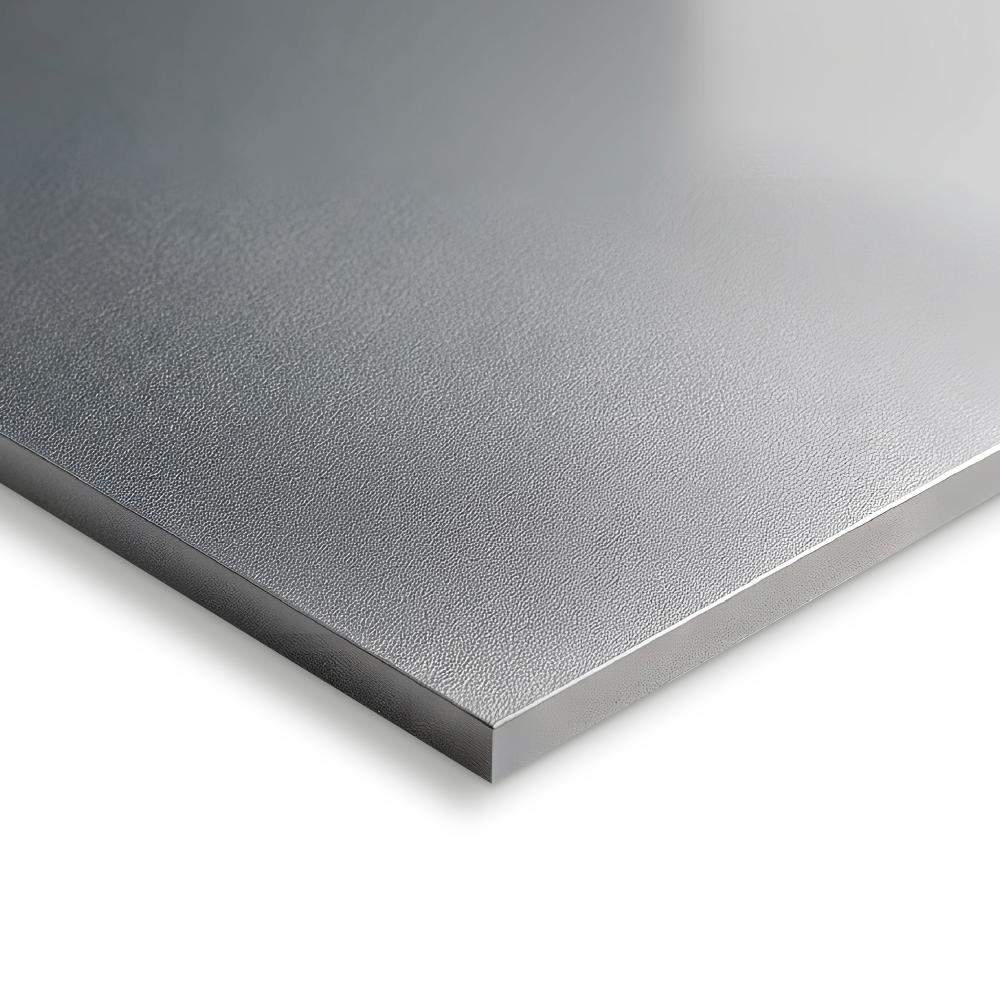
Magnelis steel uses a patented zinc‑aluminium‑magnesium coating that delivers superior corrosion resistance with self‑healing properties.
India’s renewable energy ambitions are advancing rapidly, with a target of 500 GW by 2030. Within this, solar capacity is expected to more than double from 135 GW to 300 GW. According to ArcelorMittal Nippon Steel India (AM/NS India), the challenge is not only rapid deployment but ensuring that solar infrastructure performs reliably over decades.
The company, a joint venture between ArcelorMittal and Nippon Steel, believes durable, corrosion‑resistant steel will be critical to supporting the next phase of growth. As installations expand across varied geographies and weather conditions, the need for long‑lasting materials becomes increasingly important.
Magnelis steel, developed by ArcelorMittal, uses a patented zinc‑aluminium‑magnesium coating that provides superior corrosion resistance through self‑healing properties. This solution enhances the durability of solar mounting structures and extends asset life, supporting infrastructure designed to perform reliably for 25 years or longer.
“As India scales up solar capacity to meet its clean‑energy targets, equal attention must be paid to the durability and longevity of the infrastructure being created,” says Ranjan Dhar, Director & Vice President, Sales & Marketing, AM/NS India. “Long‑lasting, corrosion‑resistant steel solutions can help maximise asset performance, optimise lifecycle costs and strengthen the reliability of renewable energy installations.”
Magnelis has already contributed to the development of around 6 GW of solar infrastructure, with 200,000 tonnes supplied for renewable projects. By improving structural longevity and reducing maintenance needs, advanced steel solutions help optimise lifecycle costs and improve returns on investment.
AM/NS India launched Magnelis in September 2024 and has established a dedicated production line with a capacity of 500,000 tonnes per annum at its Hazira plant in Gujarat. This facility enables domestic production of high‑performance coated steel for solar applications, reducing import dependence and strengthening India’s manufacturing base.
Government initiatives such as PM Surya Ghar and PM‑KUSUM are expected to accelerate solar adoption further, creating opportunities for industry stakeholders to highlight the importance of high‑performance materials and long‑life infrastructure in delivering sustainable value.