MEP Infrastructure Developers hopes to file initial documents in December to launch its infrastructure investment trust (InvIT), according to MEP's Vice-Chairman and Managing Director Jayant Mhaiskar.


Category: Infrastructure Finance
Post

Post
Vijaya Bank receives National Award for Excellence in MSE Lending
Vijaya Bank MD & CEO Dr Kishore Sansi has received the National Award for Excellence in MSE Lending for the year 2014-15´ (second place) from Union Minister for MSME
Post
Simplifying Corporate Adjudication
The establishment of a National Company Law Tribunal (NCLT) and its Appellate Tribunal (NCLAT) will provide for an efficient, timely and one stop-shop dispute resolution mechanism, preventing fragmentation of disputes relating to companies before multiple forums.
Post
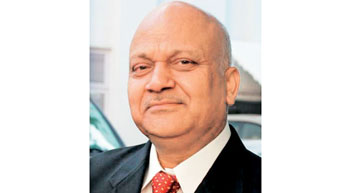
There´s a need to encourage local enterprise
Prof NK Goyal, Chairman Emeritus, Telecom Equipment Manufacturers Association (TEMA) believes that more than anything else, Indian industry needs to be provided with proper market access in order to make the country a manufacturing hub for telecom equipment.
Post
Infrastructure and the Mirage of Money
Private money is not exactly gushing into our infrastructure sectors. If we see the trend, the decline of private investment in infra projects is dramatic and sharp, over the last few years.
Post
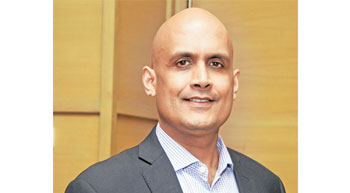
There is a need for a quick and efficient dispute resolution system
The potential growth in the Indian infrastructure sector presents a promising investment opportunity for private sector players, including foreign investors, says Abhishek Goenka, Partner, PwC India.
Post

We are watching the InvIT market very closely
Ashish Agarwal, Director, Equirus Capital, explores the various avenues available for encouraging the flow of private funds into the infrastructure sector.
Post

MAKE IN(fra) INDIA
Though the Centre has chalked out ambitious infrastructure plans, a multi-rate GST, and the DND toll cancellation issue, may dampen the spirit of the infra industry. Union Minister for Road Transport and Shipping Nitin Jairam Gadkari´s well laid out plans to kick start an infrastructure boom in India
Post
AP approves four mega project proposals
The Andhra Pradesh State Investment Promotion Board (SIPB) has approved four mega-industrial projects with a total proposed investment of Rs.26,630 crore.
Post
India expects major investments in infra sector, says FM
Keeping in mind the acute infrastructure deficit that has traditionally plagued the country, Finance Minister Arun Jaitley has said that he sees a ¨lot of investment¨ coming into the sector over the next few years.