Weighing in the environmental perspective for sustained growth, the Ministry of Shipping has started ´Project Green Ports´ which will help in making the Major Ports across India cleaner and greener.


Tag: Ministry of Shipping
Post

Post
Shipping Ministry to invest Rs.14,225 cr on port projects
In order to bring the Major Ports in India at par with its contemporaries across the world, Ministry of Shipping has been emphasising on creation of additional capacities through development and construction of new berths/terminals, revamp of existing berths and terminals and other modernisation projects.
Post
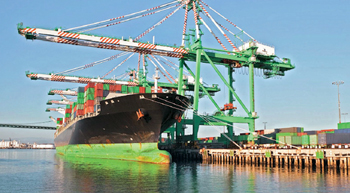
Fathoming the deeps
The meandering course of the Indian ports sector, the backbone of the country´s trade and commerce, has long been raising alarms. There are no two views about the importance of ports and their contribution in sustaining the growth and development of the economy.
Post

Govt to award 10,000 km of NH for development
The major policy initiatives of MoRTH in recent past are as follows:
Exit Policy: The cabinet recently allowed private developers to exit all operational BOT projects two years from start of operations.
Post
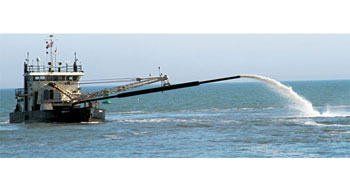
Dredging: Opportunities & Challenges
The world population depends heavily on dredging solutions for global trade, coastal defence, urban development, energy supplies, and leisure or tourism. Dredging is an indicator of the development of the coastal states and such sustained development is essential for the social and economic development of the country.
Post
Stevedores oppose new policy
The announcement by the Centre to introduce a new stevedoring policy in all government-owned ports to allot permits to stevedores and shore handling agents through bids on revenue sharing basis for cargo handling operations has kicked up a ontroversy.
Post
Now, no need for registration of SRUs
In order to boost ease of doing business in the ship repair sector, the Ministry of Shipping has eased the procedure and has dropped the requirement of registration of Ship Repair Units (SRUs) with Directorate General (Shipping).
Post
MoS to launch new port projects worth Rs 13,700 cr
The Ministry of Shipping (MoS) has drawn up another ambitious aim to award over 35 ventures worth over Rs 13,700 crore and plans to add about 259 million tonne (mt) capacity this year.
Post
Shipping Min set to abolish TAMP
In a bid attract more investment in the port sector the Ministry of Shipping is finally coming out with a decision to remove Tariff Authority of Major Ports (TAMP) control over major ports in this month end, a senior ministry official said here today. The move is one of the reform processes towards the de-regulation.
Post
Relax rules and regulations without losing control: Experts
It's time for action now, they say. The sector has held promise in attracting investments, both domestic and foreign. But clearances, infrastructure and other bottlenecks continue to slow the pace of implementation down.