

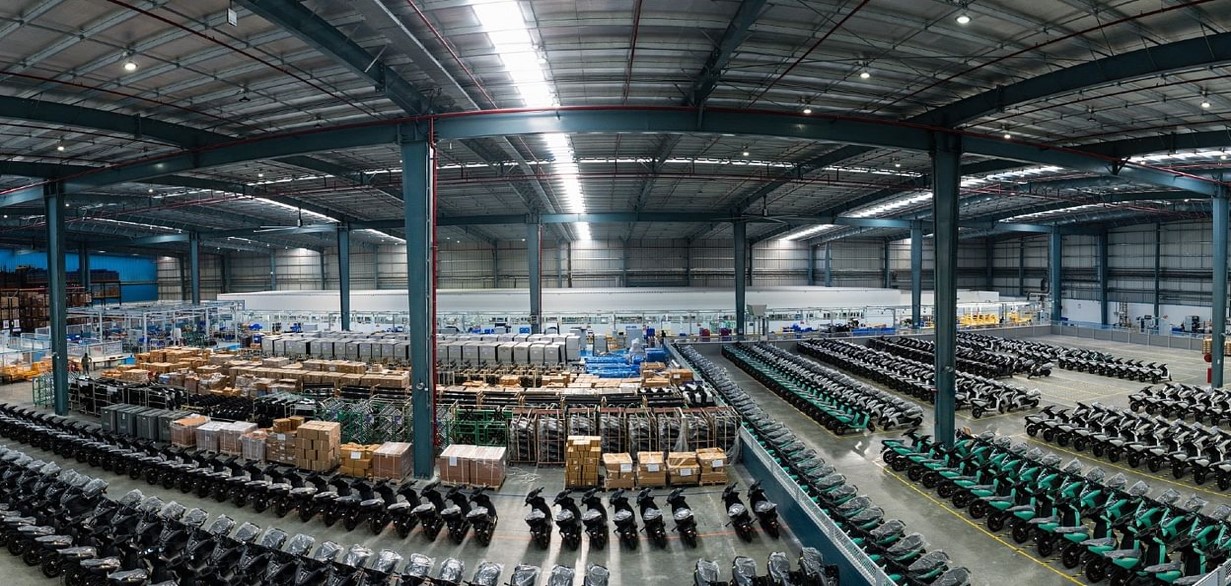
As supply chains become more complex and customer expectations evolve, occupiers increasingly seek operational efficiency, business continuity, governance, and future scalability, writes Dr Ramnath Subramaniam, Joint Managing Director, TVS ILP.
Indian logistics parks have traditionally been evaluated on fundamentals such as location, connectivity, and capacity. These factors remain critical to the success of any logistics asset. However, as supply chains become more complex and customer expectations continue to evolve, occupiers are increasingly looking beyond these fundamentals.
Today, the ability of a logistics park to support operational efficiency, business continuity, governance, and future scalability is becoming equally important in determining long‑term value. This shift is driving greater focus on three interconnected priorities: automation, sustainability, and compliance.
Automation as Foundation
Automation is no longer viewed as a standalone technology upgrade. It is increasingly becoming an integral part of logistics infrastructure design. The rapid growth of e‑commerce, quick commerce, omnichannel retail, and advanced manufacturing has shortened delivery timelines and increased operational complexity, creating a need for facilities that can support faster and more efficient movement of goods.
As a result, warehouse design is becoming more purpose‑built. Factors such as floor load capacities, clear heights, power infrastructure, digital connectivity, and operational layouts are being planned to accommodate technologies including robotics, automated material‑handling systems, warehouse‑management platforms, and IoT‑enabled monitoring. The focus is no longer limited to storage capacity; it is increasingly about enabling occupiers to improve speed, accuracy, and operational efficiency.
Sustainability as Imperative
A similar transition is underway in sustainability. What was once considered a value‑added feature is now becoming a core business requirement. Institutional investors, multinational occupiers, and global manufacturers are placing increasing emphasis on environmental, social, and governance (ESG) considerations when evaluating logistics assets.
Green‑building certifications, renewable‑energy integration, water‑conservation measures, and efficient resource management are becoming key features of modern logistics parks. Beyond environmental benefits, these initiatives also create measurable business value through lower operating costs, improved resource efficiency, and stronger investment attractiveness. Sustainability is therefore emerging as both a responsibility and a competitive advantage.
Compliance as Advantage
Alongside automation and sustainability, compliance has become a critical pillar of modern logistics infrastructure. Occupiers today expect higher standards of safety, regulatory adherence, environmental management, and operational transparency.
Embedding compliance into the design and day‑to‑day functioning of logistics parks helps reduce risk, strengthen stakeholder confidence, and support operational continuity. Technology is also playing an important role in this transformation. Digitally enabled facilities can provide real‑time visibility into safety, performance, and regulatory parameters, making compliance continuous rather than periodic.
Power of Convergence
The greatest value is created when automation, sustainability, and compliance work together. Digital systems can improve operational efficiency while also supporting energy management and safety monitoring. Sustainable design can enhance resilience, while strong compliance frameworks build trust among tenants, investors, and regulators.
This convergence is helping create logistics parks that are more resilient, efficient, and future‑ready.
Future of Logistics Parks
The future of India’s warehousing sector will be shaped not only by the pace of development but by the quality and performance of the assets being created. As supply chains become more time‑sensitive and regulatory expectations continue to rise, logistics parks will need to deliver measurable outcomes in efficiency, reliability, governance, and resource optimisation. Achieving this requires a holistic approach where planning, design, technology, sustainability, and compliance work together.
Such an approach will create stronger assets for occupiers while building the logistics infrastructure needed to support India’s ambitions for manufacturing and economic growth.
ABOUT THE AUTHOR

Dr Ramnath Subramaniam, Joint Managing Director, TVS ILP, a certified portfolio manager, brings extensive experience across fundraising, land acquisition, regulatory clearances, project execution and finance, spanning both government and private sectors.