

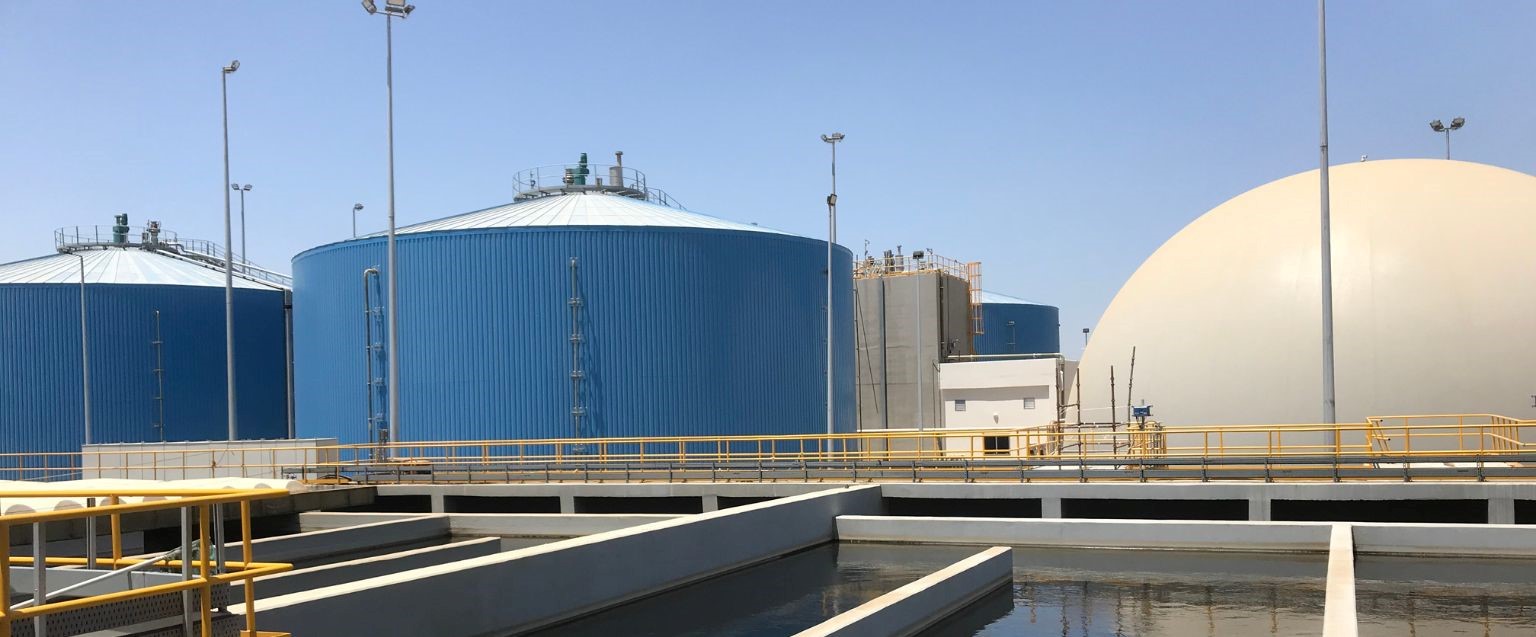
The bio-CNG plant will be set up at the 70 million litres per day sewage treatment plant in Ghaziabad, under a build-operate-transfer model on a public-private partnership basis.
At a time when India is working to ensure its energy security, global water technology leader VA TECH WABAG Ltd and climate-focused investment firm PEAK Sustainability Ventures have announced the development of their first bio-CNG plant in Ghaziabad, Uttar Pradesh. This project marks the first milestone under their waste-to-energy initiative announced on January 29, 2024, which ultimately targets the establishment of 100 bio-CNG plants at sewage treatment facilities across India and other markets.
The bio-CNG plant will be developed at the 70 million litres per day (MLD) sewage treatment plant (STP) in Dundaheda, Ghaziabad, under a build-operate-transfer (BOT) model on a public-private partnership (PPP) basis. The project will be executed through a newly incorporated special-purpose vehicle, Ghaziabad Bioenergy Pvt. Ltd, formed jointly by WABAG and PEAK.
Shailesh Kumar, CEO of India Cluster, WABAG, said, “Securing this repeat order from an existing client, Ghaziabad Nagar Nigam, reflects the company’s strong operational excellence and consistent execution capabilities. The company’s focus is to create greater value for its clients by leveraging its technical expertise during both execution and operations.”
The plant will capture raw biogas generated at the STP, preventing methane emissions into the atmosphere, and upgrade it into high-quality renewable bio-CNG fuel. This clean fuel will replace conventional fossil fuels in mobility and industrial applications.
Samir Shah, Managing Partner, PEAK, added, “This partnership between PEAK and WABAG aims to accelerate India’s energy transition by converting methane generated by wastewater plants into a clean fuel, CBG (compressed biogas). This important initiative strengthens energy security, reduces air pollution, and showcases financially viable climate solutions for India and global markets, leading to a clean energy future.”
By converting an environmental liability into a valuable energy resource, the project demonstrates a circular, scalable, and transformational pathway for India’s energy transition. It also represents a small but meaningful step toward easing global liquefied natural gas (LNG) and compressed natural gas (CNG) supply chain pressures by creating a reliable, locally produced renewable gas alternative.
Cleaner Energy Gains
The initiative is expected to deliver significant environmental and socio-economic benefits. Methane has nearly 28 times higher global warming potential than carbon dioxide, and preventing its release will substantially reduce greenhouse gas emissions. Over the life of the project, it is estimated to reduce approximately 250,000 metric tons of carbon emissions. Commercial operations are expected to commence within one year.
In addition to reducing emissions, the project will improve air quality and generate employment for the local community. The company will pay a reverse tipping fee to the Ghaziabad municipality for purchasing the biogas. All major equipment will be sourced domestically, supporting the Government of India’s vision of Atmanirbhar Bharat (Self-Reliant India).
WABAG will lead project execution and undertake operations and maintenance for 15 years. In addition to investing in the project, PEAK will provide strategic inputs, global energy technology insights, and support in raising capital from climate-focused investors to accelerate scaling of the waste-to-energy initiative. Through this project, WABAG will generate green and clean fuel, significantly reduce emissions, and unlock revenue opportunities for the client.