DMRC to handle metro works in the redevelopment of Central Vista


Tag: Central Pollution Control Board
Post

Post

CPCB raises red flag on pollution in River Yamuna
The Central Pollution Control Board (CPCB) has raised serious concerns over pollution and frothing in the River Yamuna after the nodal agency tasked with monitoring and regulating pollution observed froth formation and increase in ammonia levels in the river.
Post

Curb that wastage!
Less than 20 per cent of the wastewater discharged by households, and 60 per cent of industrial wastewater, is treated in India. This situation has to change, say SHISHAM PRIYADARSHINI and AMISH SHROFF.
Post

Lack of sufficient domestic project financing options remains a concern
Steve Edwards - Chairman and CEO, Black & Veatch, shares his perspective on the Indian infrastructure market, his company´s offerings, and the shortcomings in the current EPC contract mechanism in the country.
Post
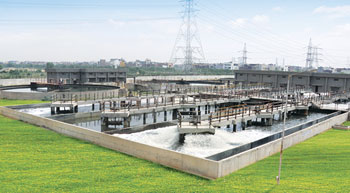
Blue Gold
Warring nations over water may sound apocalyptic, but there is no denying water is going to be a major restraint on urbanisation. Basic demand-supply rules apply here and explain to a large extent doomsday scenarios captured in Hollywood hits such as Water Wars
Post

The Government has started supporting PPP and introduced reforms
Discharge of untreated sewage is the biggest cause for water pollution. The large gap between the generation of waste-water and its treatment has led to large scale ground water contamination. Operation and maintenance of existing plants
Post
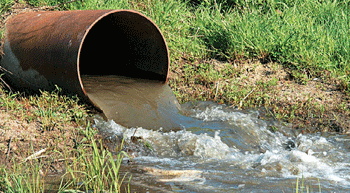
Decentralised Wastewater Management Systems
Urban India is bracing for a unique and difficult challenge of shortage of freshwater as well as managing increased wastewater. Urban India is experiencing an exponential growth. With about 377 million people
Post

Consultancy opportunity in sewerage project
Experts call for upgradation of sewage infrastructure in the country as less than 30 per cent of sewage generated across largest cities in the country undergoes treatment before it is disposed into freshwater bodies or the sea.
Post
Need for a better waste management system
Our cities will need a combination of centralised and decentralised wastewater treatment systems especially in urban pockets and smaller towns where formal sewerage system and treatment will be too expensive, write B Rajesh and Neerad Swaroop. Nearly 590 million people are expected to live in Indian cities by the year 2030. As per the 2011 census, decadal growth of urban population was 31 per cent,