

A PPP between state‑owned Druk Green Power Corp. and India’s Tata Power, the project is expected to lift Bhutan’s GDP by 2.4 per cent, generate jobs, and spur entrepreneurship across manufacturing, tourism, and small businesses.
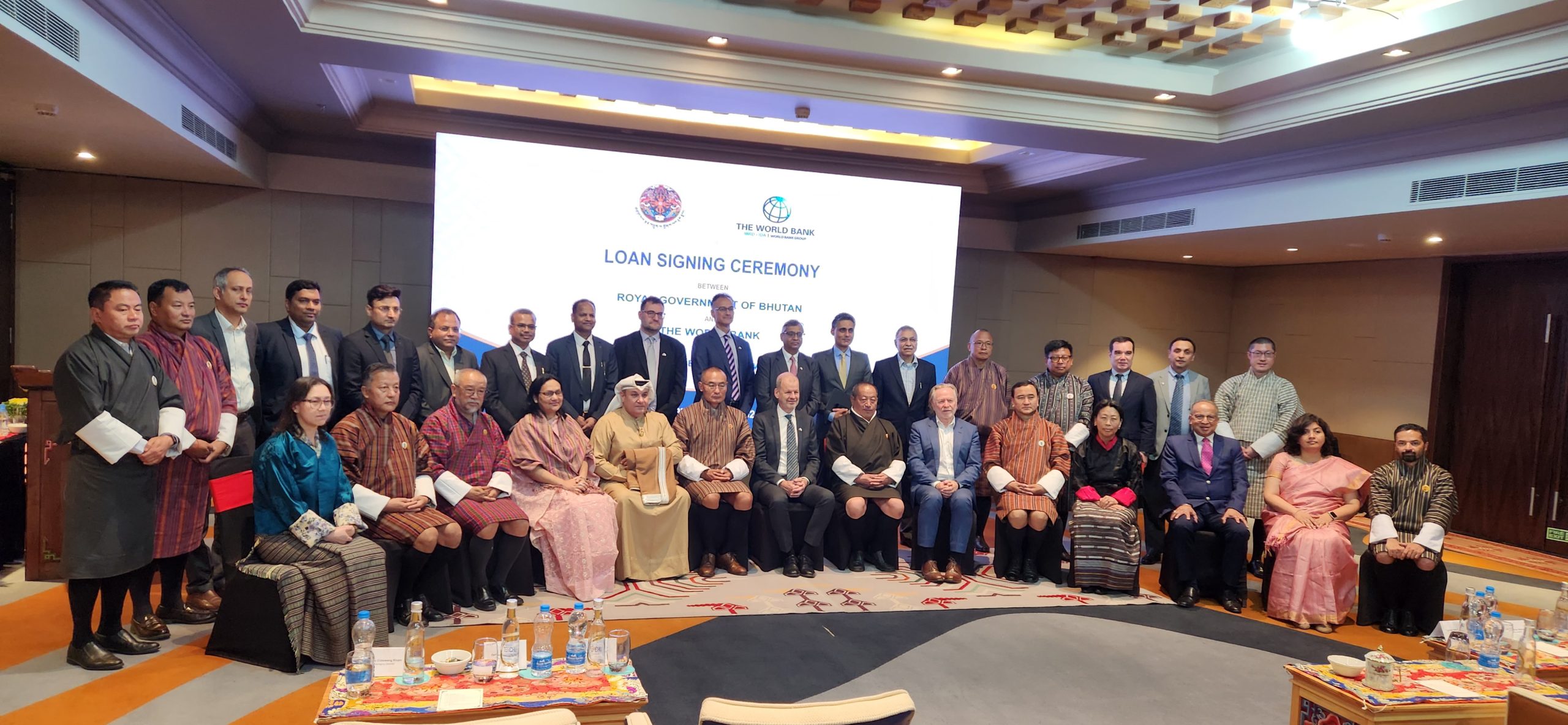
The Government of Bhutan and the World Bank have signed financing agreements worth $515 million for the 1,125 MW Dorjilung Hydroelectric Power Project, to generate nearly one‑third of the Himalayan kingdom’s total electricity.
“The Dorjilung Hydroelectric Power Project is a cornerstone of Bhutan’s 13th Five‑Year Plan and will be the kingdom’s largest hydropower project developed under a public‑private partnership (PPP). This transformational investment will supply clean energy, spur economic growth, and advance our carbon‑negative commitment,” said Dasho Tshering Tobgay, Prime Minister of Bhutan. “This project is a testament to our strong partnership with the World Bank Group and our shared vision for a sustainable and prosperous future for Bhutan’s people.”
Located on the Kurichhu River in eastern Bhutan, Dorjilung will generate over 4,500 GWh of clean electricity annually, bridging the landlocked nation’s winter energy deficit and enabling surplus exports to India during summer. The project is expected to lift Bhutan’s GDP by 2.4 per cent, create jobs, and stimulate entrepreneurship across manufacturing, tourism, and small businesses. Revenues from energy exports will be reinvested in health, education, and infrastructure, while the project’s operations will displace 3.3 million tons of carbon dioxide annually.
“The Dorjilung Hydroelectric Power Project is unique for Bhutan and the World Bank Group. The innovative financing model, which brings together public and private capital, sets a new standard for sustainable infrastructure development,” said Johannes Zutt, World Bank Vice President for South Asia. “Bhutan will reduce costly energy imports and earn revenues from exports, while South Asia will cut carbon emissions and diversify its energy sources.”
Finance Minister Lyonpo Lekey Dorji called the project “a national priority” that will deliver clean electricity and economic growth without straining public finances. Dasho Chhewang Rinzin, Managing Director of Druk Green Power Corp., said it “marks a transformative shift in Bhutan’s energy sector,” adding that its design “provides critical grid flexibility while maximising export revenues.”
Innovative Financing Model
Earlier this year, the World Bank Group’s Board approved $300 million in concessional financing from the International Development Association (IDA), including $150 million as a grant. Another $215 million comes from the International Bank for Reconstruction and Development (IBRD), and up to $300 million from the International Finance Corp. (IFC) to Dorjilung Hydro Power Ltd (DHPL), a special‑purpose vehicle jointly owned by Druk Green Power Corp. (60 per cent) and Tata Power (40 per cent).
“This landmark project will strengthen regional energy security and deepen India‑Bhutan clean energy cooperation,” said Praveer Sinha, CEO & Managing Director, Tata Power. “With nearly 80 per cent of its 4,500 GWh annual generation supplied to India, it will help meet rising peak demand while enabling Bhutan to expand clean energy exports for shared economic benefit.”
The estimated $1.7 billion project is structured as a PPP to minimise sovereign borrowing and catalyse an additional $900 million in private investment.
Dasho Leki Wangmo, Finance Secretary, and Jean Pesme, World Bank Division Director for Bangladesh and Bhutan, signed the IDA and IBRD financing agreements. “Amid global fuel supply disruptions, the Dorjilung Hydroelectric Power Project represents a model for building energy security that is clean, sustainable, and resilient,” said Xavier Furtado, World Bank Country Manager for Bhutan. “The World Bank Group brought together IDA, IBRD, and IFC to deliver an innovative financing package that enables a project of this scale while protecting Bhutan’s debt sustainability.”
Bhutan’s direct credit exposure is limited to $150 million, while cumulative revenues over the 30‑year IDA credit period are projected at $4 billion through taxes, free power, and dividends.