

Representatives from multiple countries expressed interest in studying and adapting the ULCCS model for sustainable economic development and employment generation.
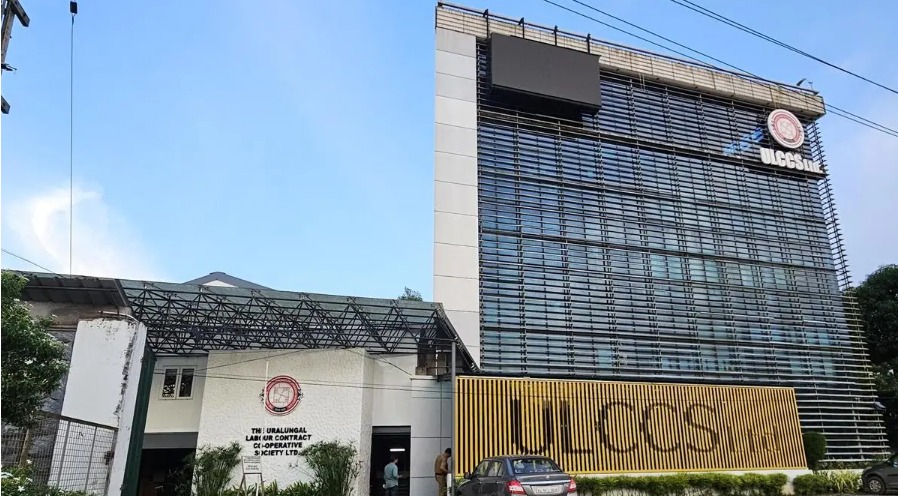
Uralungal Labour Contract Co‑operative Society (ULCCS), the over 100‑year‑old worker‑owned cooperative in the infrastructure sector, showcased its community‑led development model at the UN headquarters in New York. ULCCS was a panellist at the International Symposium on Cooperative Financial Institutions, held on May 28-29, which was attended by policymakers, cooperative leaders, financial institutions, and development experts from around the world.
The event was jointly organised by the UN Department of Economic and Social Affairs (UN DESA), the International Cooperative Banking Association (ICBA), and the International Cooperative Alliance (ICA).
Kishor Kumar TK, Chief Project Coordinator, ULCCS, and Vice Chairperson of the Committee on Agriculture and Environment (ICAE) under the International Cooperative Alliance Asia and Pacific (ICA‑AP), shared the organisation’s journey of transforming a labour cooperative into a diversified development institution. He highlighted how ULCCS has successfully responded to social, economic, and global transformations, expanding beyond infrastructure into sectors such as IT, tourism, arts and crafts, skill development, and advanced technology adoption, while remaining firmly rooted in cooperative values.
“ULCCS has always believed that development becomes truly sustainable when communities are at the centre of the process. Our journey demonstrates how cooperative values, combined with innovation and partnerships, can foster lasting economic opportunities while promoting social inclusion.”
The discussion generated considerable interest among delegates from various countries, with several expressing interest in studying and adapting elements of the ULCCS model within their own regional contexts. ULCCS officials stated that the opportunity to present at the UN further reinforces the role of cooperatives as powerful instruments for inclusive economic development, employment generation, and community empowerment.