

The two countries will cooperate on five priority areas: building a strategic stockpiling ecosystem, amplifying the voice of energy‑consuming nations, strengthening energy transport, deepening institutional collaboration, and creating a platform for dialogue.
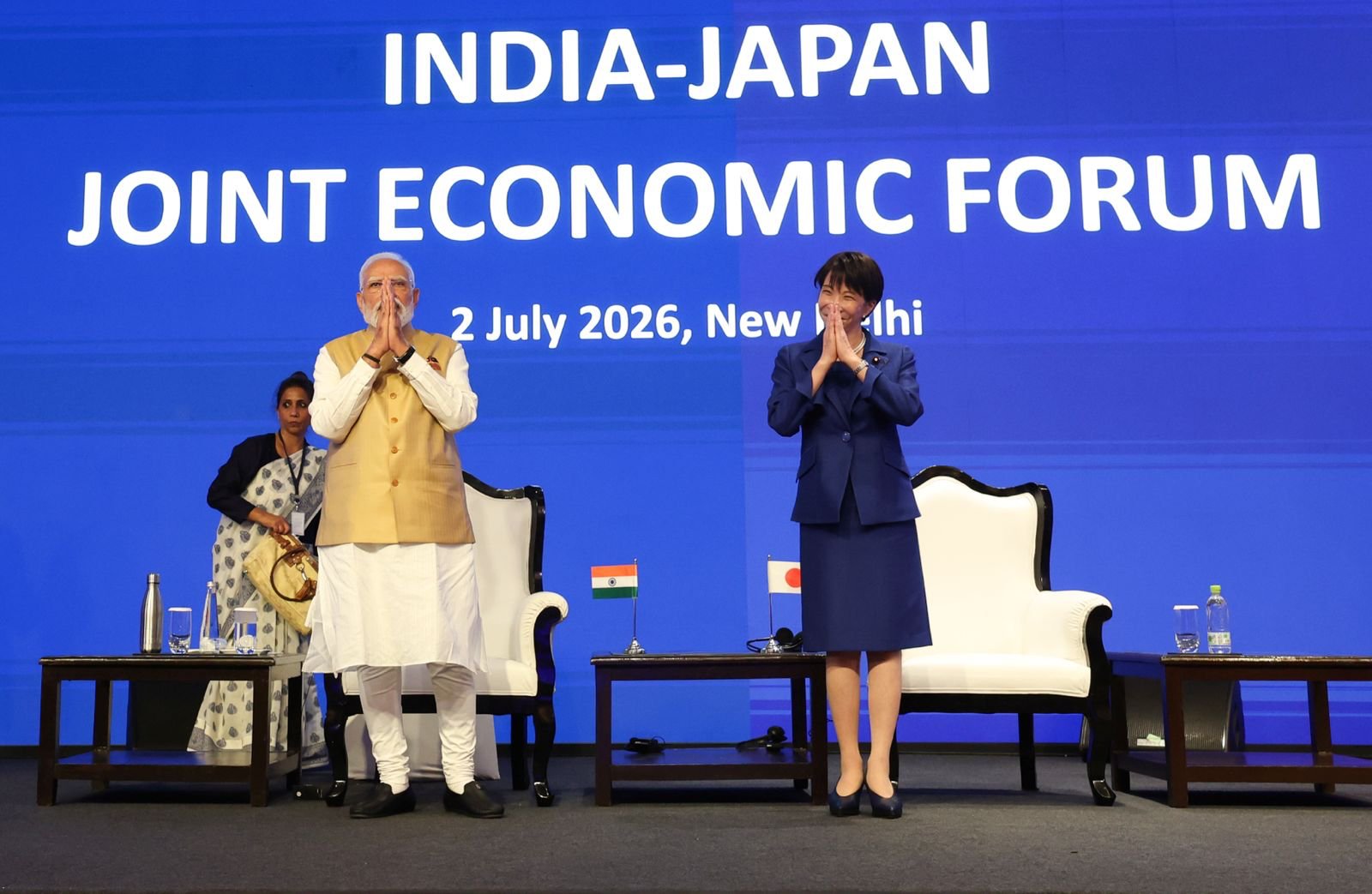
India and Japan have agreed to work together to strengthen global energy resilience amid ongoing geopolitical challenges. The understanding was reached during a meeting between Prime Minister Narendra Modi and his Japanese counterpart, Takaichi Sanae, in New Delhi on Thursday.
A statement from the Ministry of Petroleum and Natural Gas said the two nations—Asia’s major energy consumers—will collaborate through five focused initiatives under Japan’s Partnership on Wide Energy and Resources Resilience (POWERR Asia) and India’s regional energy security efforts.
Areas identified include building a strategic stockpiling ecosystem, strengthening the voice of energy‑consuming countries, cooperation in energy transport, institutional collaboration, and a platform for dialogue
The cooperation will cover crude oil and petroleum stockpiling systems, emergency response mechanisms, and market stabilisation strategies. Both sides will share expertise on reserve management and coordinate with producing countries to ensure supply continuity.
India and Japan also plan to address shared challenges of energy availability and affordability by enhancing supply assurance, improving resilience, and creating mechanisms to manage price volatility. This includes joint monitoring of market trends, exploring supply engagements with third countries, and pursuing upstream investment opportunities.
Recognising the importance of secure maritime transport for oil and gas, the two countries will explore joint investments and collaborations across the maritime energy transport value chain.
Institutional partnerships will be strengthened among key stakeholders such as JOGMEC, JBIC, Indian National Oil Companies, and ISPRL to deepen technical and financial cooperation.
To advance these priorities, discussions will continue under the India–Japan Joint Working Group on Petroleum and Natural Gas, part of the broader India–Japan Energy Dialogue. The platform will facilitate knowledge exchange and identify new areas of mutual benefit.