India has witnessed significant strides in the e-commerce business in the last few years. The logistics chains and warehousing facilities across the country are a backbone to support this e-retail and e-commerce revolution.


Tag: Logistics
Post

Post

GST will help companies reduce logistics costs by up to 1.5percent
According to me every move has an advantage and a disadvantage. The business success depends on the ability of a company to factor in variables and continue to stand firm.
Post

GST will reduce the share of the unorganised sector in warehousing
The GST is a value-added tax that will replace all other indirect taxes in India. One purpose of the GST is to make taxes ´destination´ based rather than origin based, or ´efficiency´ based rather than ´regulation´ based.
Post
Clearing the Tax Clutter
India has a unique indirect tax landscape for the infrastructure sector. While the sector enjoys a plethora of concessions and exemptions, the very nature of the contracting structure is troubled with a large amount of complexities, more so on the EPC contracting side.
Post
Krishnapatnam Port expands its horizons, eyes east coast expansion
Krishnapatnam, the country´s largest all-weather, deep water port on the east coast of India is all set to revolutionise the export-import trade dynamics for the east-coast of India.
Post
GST and its impact
The Goods and Services Tax (GST) is the most radical taxation reform that is set to alter India´s economic prospects. A single indirect tax, encompassing all goods and services, is surely a welcome change.
Post

There has been no formal training at all till date
The Logistics Sector Skill Council is unique in its own way. Logistics is an activity that pervades all industry, either in the form of pure-play logistics (ports, infrastructure, freight forwarding, air cargo, transportation) or in-plant logistics.
Post
Govt plans transparency in shipping, logistics
The government might soon propose amendments to the Multimodal Transportation of Goods Act, 1993. The aim is more transparency in the shipping and logistics sectors and to discourage container freight stations from overcharging both importers and exporters, said two government officials with direct knowledge of the matter.
Post
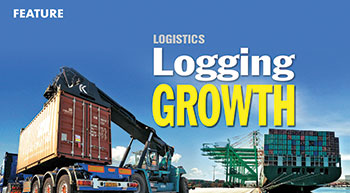
Logging Grwoth
The Indian logistics market is expected to grow at a CAGR of 12.17 per cent by 2020, driven by the growth in the manufacturing, retail, FMCG and e-commerce sectors.
India is expected to register a steady uptick in logistics growth, on the back of the improvement in the country´s infrastructural environment.
Post
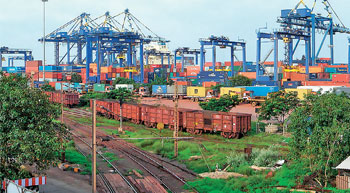
Ports, Ahoy!
India, due to its long coastline, is richly endowed with natural maritime advantages. The countrys 7,500 km coastline covers 13 states and Union Territories. A number of ports along the long coastline lie along key international trade routes. There is huge potential even for inland water transport.