How do you unleash innovation in your city? How can you benefit from innovation in other cities? Cities that can enable vibrant business ecosystems and find the best ways of serving their citizens will succeed in digital transformation.


Author: admin (Infratructure Today)
Post

Post

We are mechanising all our mines for better turnaround time
The Ministry of Coal (MoC) is targeting coal production of 1.5 billion tonnes. Of this one billion tonnes will come from Coal India Limited (CIL) and the remaining 500 million tonnes will come from non-CIL sources, particularly from the mines that are presently being auctioned or allocated to non-Coal India entities.
Post

The MMDR Amendment | Silver lining for M And As
Indian soil is blessed with rich mineral resources and has a long history of mining, mineral production, and mineral utilisation. The mining sector in India is governed by the provisions of the Mines and Mineral (Development and Regulation) Act, 1957 (MMDR Act) together with the rules prescribed there under.
Post

India is on the cusp of a digital revolution
Telecom towers are critical installations on which the backbone of mobile communication rests. These are essential for realising the vision of inclusive growth. The success of initiatives like Digital India, Smart Cities and Right to Broadband, which the government intends to implement in a mission mode, will also depend on this critical and essential infrastructure.
Post
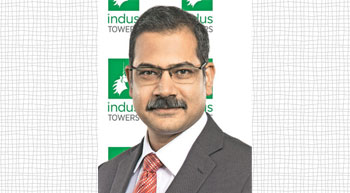
Data to accelerate expansion of mobile telephony
Granting of infrastructure status to the telecom tower industry has resulted in varied financial benefits. External commercial borrowing rates have improved. However, lower import duties and accelerated depreciation benefits are yet to be realised.
Post

Towering Heights
In India, for every 10 per cent of the population using basic services such as voice and SMS, the national GDP increases by 0.5 per cent; a similar expansion of Internet and other non-voice communication or data adds 1 per cent to GDP, according to government figures available with the country´s Department of Telecommunications (DoT).
Post

Water woes and ways out
India has horrific water issues that go well beyond meters and domestic waste. However, with the use of automation, it is possible to avoid water theft, illegal connections and leakages and importantly, monitor water distribution.
Post

Our goal is to harvest 100 per cent of rainwater falling on our campuses
At Infosys, fresh water consumption is solely for the purpose of human sustenance and not for production purposes. Hence, we do not significantly impact water sources. Recognising the grave issues of water scarcity, Infosys started focused efforts to manage water efficiently back in 2008.
Post
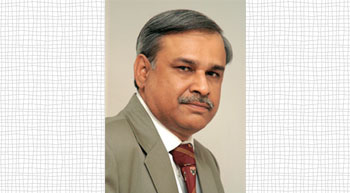
Infrastructure | A Travesty of Partnerships
We need to improve our infrastructure, and if someone asked, by when, the obvious answer will be yesterday! According to a study by S&P Global Ratings, the country´s poor infrastructure is the biggest hurdle to the government´s ´Make in India´ programme, and they went on to add that the infrastructure deficit is costing the nation up to 5 per cent of our GDP.
Post

Risk allocation wholly skewed against private sector
Vinayak Chatterjee, Chairman, Feedback Infra feels that the country has failed miserably on regulation, renegotiation, risk allocation and resourcing. He says that a comprehensive policy framework, including independent regulation, is required to make the PPP concept a success.